
Key Differences Between Pharmaceutical Cold Chain and Food Cold Chain in Storage & Transport
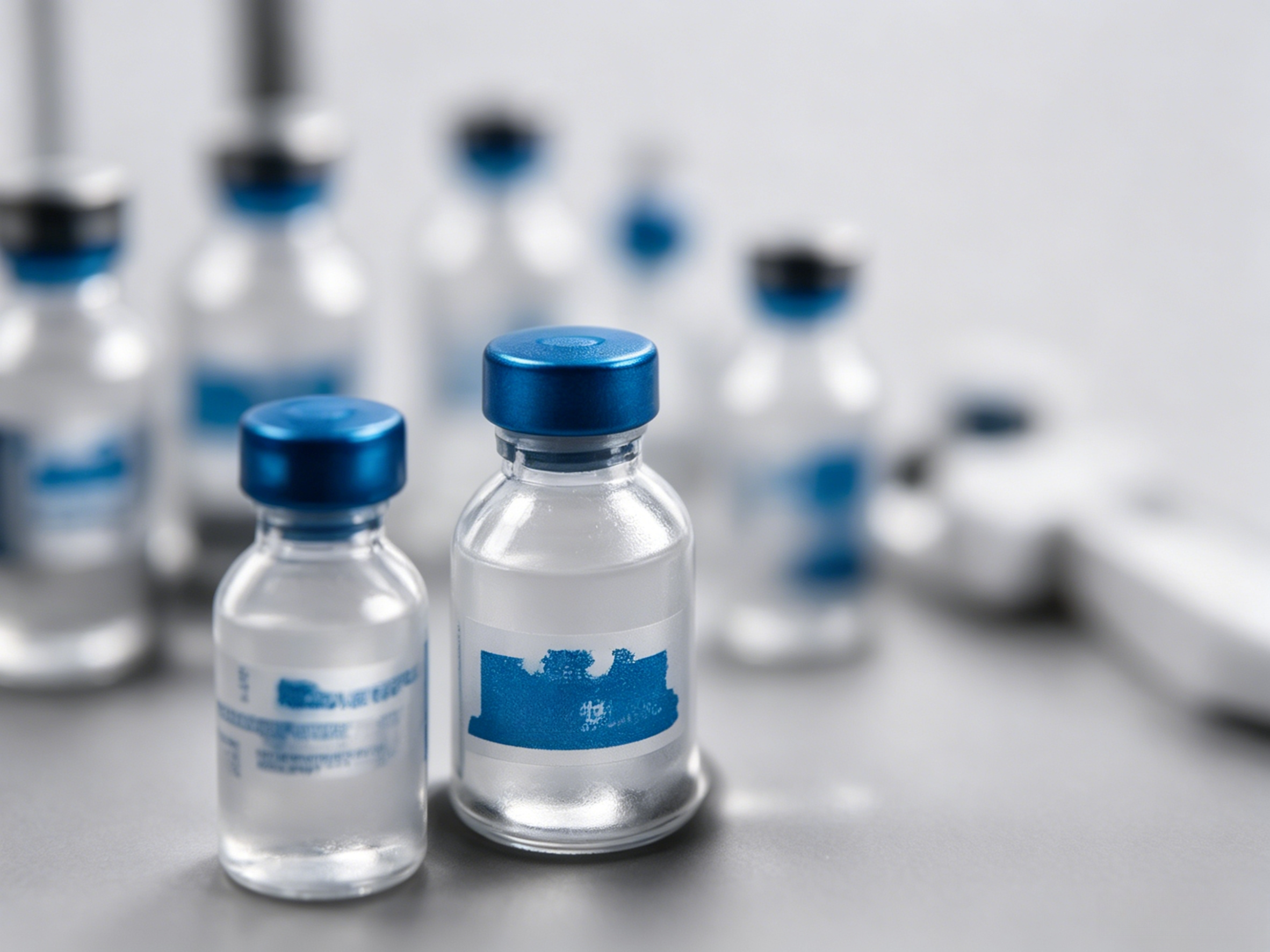
Although both pharmaceutical and food cold chain rely on low-temperature preservation, their industry standards and operating thresholds differ greatly. Food cold chain usually allows a small floating temperature range, while biologic vaccines and injection medicines require constant temperature with error less than ±0.5℃.
Food cold storage and refrigerated vehicles focus on cost control and large-volume loading, but pharmaceutical cold chain equipment must equip redundant refrigeration systems and standby power supply to prevent medicine invalidation from sudden power failure or equipment breakdown.
On regulatory aspect, all pharmaceutical cold chain data needs long-term archiving over 5 years for official audit, but most fresh food logistics only keep short-period shipping records. Ultra-low temperature cold chain below -20℃ is exclusive for biotech drugs and special reagents, rarely used in conventional food logistics.
Many third-party logistics firms build separated pharmaceutical cold storage zones to satisfy GSP medical standard, isolating medicine storage space from regular fresh food warehouse.