
Supporting Biotechnology Cold Chain Monitoring for a Leading Global Life Sciences Company
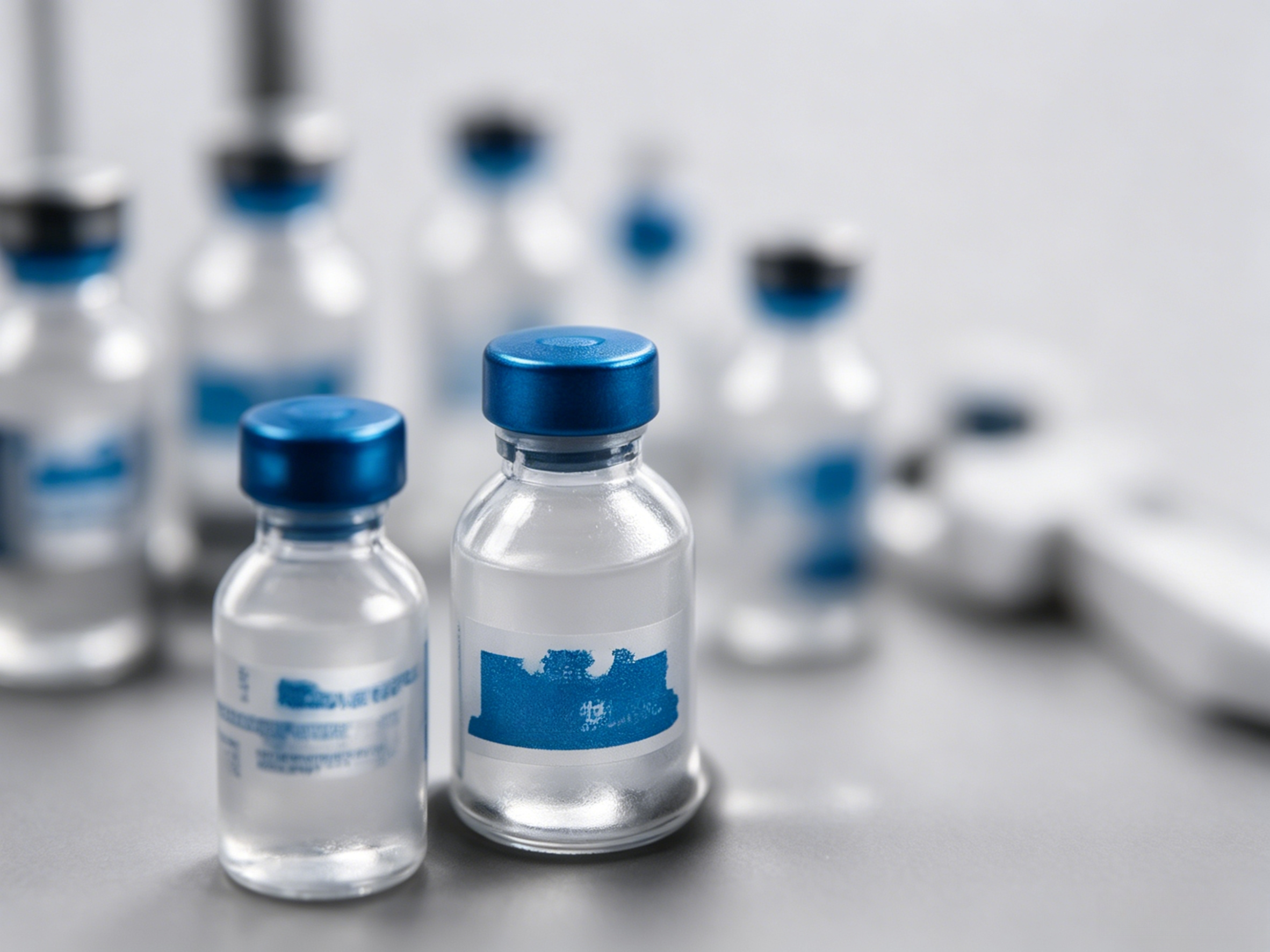
How Temperature-sensitive biological materials require strict environmental control throughout transportation and storage.
A leading global life sciences company serving pharmaceutical, biotechnology, and research organizations worldwide sought to improve cold chain visibility and strengthen monitoring capabilities for temperature-sensitive materials.
As the volume of international shipments increased, maintaining reliable temperature records, improving traceability, and ensuring consistent monitoring became increasingly important.
To support these objectives, MESAVSS monitoring solutions were introduced to provide continuous visibility across critical cold chain operations.
Customer Profile
Industry:
Biotechnology & Life Sciences
Business Scope:
Gene Synthesis, Life Science Research Services, Biological Materials
Global Presence:
North America, Europe, Asia-Pacific
Application:
Temperature Monitoring for Biological Materials and Cold Chain Logistics
# Key Challenges
## Maintaining Visibility During Transportation
Once products left controlled facilities, transportation conditions were not always visible in real time.
The organization wanted greater confidence in shipment conditions throughout the logistics process.
# Temperature Traceability
Biological materials often require complete temperature records to support internal quality procedures and transportation investigations.
# Operational Consistency
The company required a monitoring solution capable of providing consistent temperature records across multiple transportation scenarios.
# Data Accessibility
Quality and logistics teams needed faster access to temperature data and monitoring records when reviewing shipment performance.
How MESAVSS Helped?
# Continuous Temperature Monitoring
MESAVSS monitoring devices continuously recorded temperature conditions throughout transportation and storage activities.
# Real-Time Visibility
Monitoring data could be viewed through the cloud platform, providing greater transparency throughout the cold chain journey.
# Automated Data Collection
Temperature records were automatically stored and organized for future review.
# Reporting and Traceability
Detailed reports could be generated to support internal quality reviews and operational analysis.
---
# Monitoring Results
# Cold Chain Performance Overview
| Stage | Temperature Range |
| --------------------- | ----------------- |
| Controlled Storage | 2.3°C – 4.8°C |
| Shipment Preparation | 2.5°C – 5.1°C |
| Transportation | 2.8°C – 5.6°C |
| Distribution Facility | 2.4°C – 4.9°C |
| Final Delivery | 2.6°C – 4.7°C |
The monitoring system maintained continuous visibility throughout the transportation process.
Temperature records remained complete and traceable, providing confidence in shipment handling and storage conditions.
---
# Key Outcomes
# Improved Monitoring Visibility
Teams gained greater visibility into transportation and storage conditions.
# Enhanced Traceability
Comprehensive temperature records were available throughout the cold chain journey.
# Faster Access to Data
Temperature information could be reviewed quickly by logistics and quality personnel.
# Increased Operational Confidence
Reliable monitoring data helped support decision-making and improve transportation oversight.
---
# Lessons Learned
For biotechnology organizations, cold chain monitoring is about more than recording temperature.
Visibility, traceability, and access to reliable transportation data help organizations better protect valuable biological materials and improve operational confidence.
As global life sciences supply chains continue to expand, continuous monitoring is becoming an essential part of quality-focused logistics operations.
---
# Conclusion
This project demonstrates how continuous temperature monitoring can strengthen visibility, traceability, and operational confidence throughout biotechnology cold chain logistics.
By combining monitoring devices, cloud-based visibility, and automated reporting, MESAVSS helps life sciences organizations maintain control over temperature-sensitive materials from origin to destination.
Frequently Asked Questions
Q1: Why is cold chain monitoring important for biological materials?
A: Temperature-sensitive biological materials may be affected by environmental changes during transportation and storage. Continuous monitoring helps maintain visibility and control.
Q2: What temperature range is commonly used for refrigerated biological materials?
A: Many refrigerated biological materials are maintained between 2°C and 8°C, depending on product requirements.
Q3: How does monitoring improve traceability?
A: Monitoring systems automatically record temperature history, creating a complete record throughout transportation and storage.
Q4: Can reports be generated automatically?
A: Yes. Monitoring records can be exported as PDF, Excel, and cloud-based reports for quality reviews and operational analysis.
Q5: What are the benefits of real-time visibility?
A: Real-time visibility helps organizations identify risks earlier and improve decision-making throughout the cold chain.